
⚠️Nettles - friend or foe?

Be Nice to Nettles Week 2026 runs from May 14–25, promoting the appreciation, wildlife value, and versatile uses of the humble, and generally under-appreciated, stinging nettle.
Whether you've heard of this appreciation week or not, it's fair to presume we have all encountered nettles out in nature at some point, and there are certainly plenty of them around at Whitlingham. Your childhood memories probably include getting stung on your legs while playing or walking, but read on to see that they're not all bad!
At the country park, we focus on allowing nature to thrive, while also keeping visitors' legs sting-free (as far as possible) as we keep our verges well mown.
What's so good about nettles?
There are many uses of nettles besides the fact they are great for wildlife. A variety of butterflies including Peacock, Red Admiral, Small Tortoiseshell, Comma, and Painted Lady lay eggs on nettles for their caterpillars to gorge on as they grow.
Nettles are also great at attracting other insects including ladybirds, lacewings, aphids and moths, They can also provide sustenance for small birds like finches and sparrows.

What can I do to appreciate nettles?
Give nature a helping hand by allowing some nettles to grow with wild flowers in a secluded area in your garden. The butterflies, moths, and other beneficial insects will thank you for it, and this simple action will help them support your other plants too as they explore the area.
Have you ever tried eating nettles? You may never have considered them as food, but you can turn tender young leaves into teas, soups, and even use them for making pesto. Nettles are nutritionally valuable as they are rich in calcium, magnesium, iron, potassium, and phosphorus. They also contain high levels of vitamins A, C, and K. The Cornish cheese, Yarg, is famously wrapped in a covering of nettle leaves.
If you want to learn how to safely forage for nettles, and other wild goodies, and use them for delicious cookery, keep an eye on our What's On page to book a foraging and cookery class with local foraging expert, Aaron Roberts at Totally Wild. There are plenty of dates still to come in 2026.
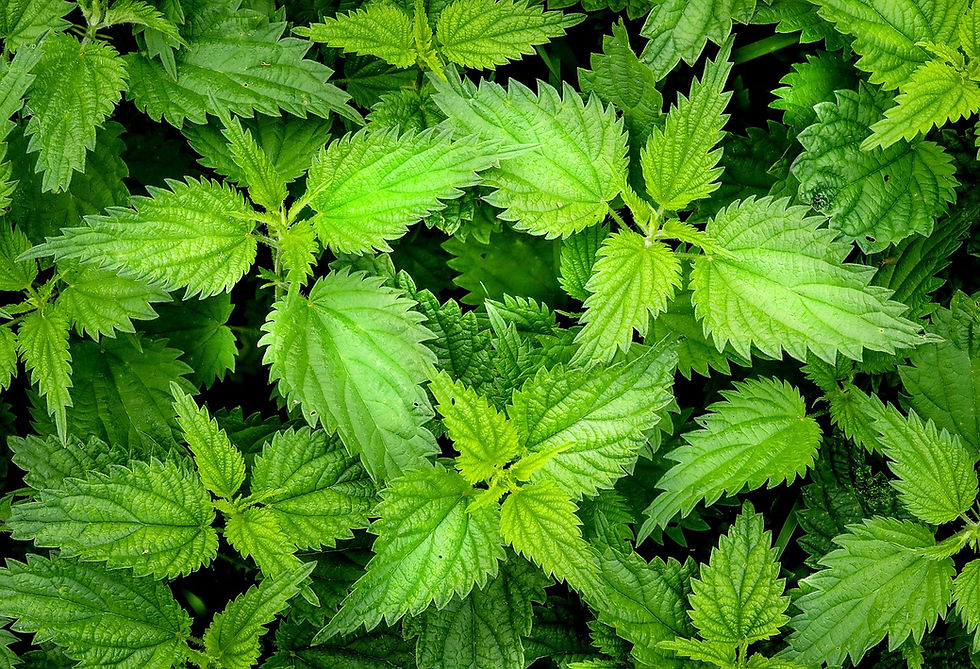
Did you know the fibrous texture of nettle stems can be turned into string, and can even be used to make textiles? Amazing!
Nettles can even be used in medicinal ways to help alleviate allergies, reduce inflammation and even increase circulation.
How does your garden grow?
Last top tip: Did you know you can create an amazing fertiliser using nettles? It's easy!
How to make your own nettle fertiliser:
Collect nettles before they flower, chop them, and half-fill a bucket with the chopped pieces.
Add rainwater to fill the bucket. Weigh the nettles down using stones or bricks to keep them submerged.
Let the mixture stew for two to four weeks. Stir it weekly.
When you see the mixture bubbling, it is ready to use, once the nettles have been removed.
IMPORTANT - It is a really strong mixture, so only use 1 part of your nettle mix to 10 parts of water.
Apply the diluted nettle fertiliser around the base of your plants every 2 or 3 weeks. It may be too strong for very young plants, and don't let it touch leaves.
Stop using it once your plants begin to bud for flowering or fruiting, as too much nitrogen can actually stunt the growth at that stage.
So be nice to nettles - they often get a bad press, and they can be great! Hopefully you'll look at them differently now you know how great they can be. 🐞🐛🦋


